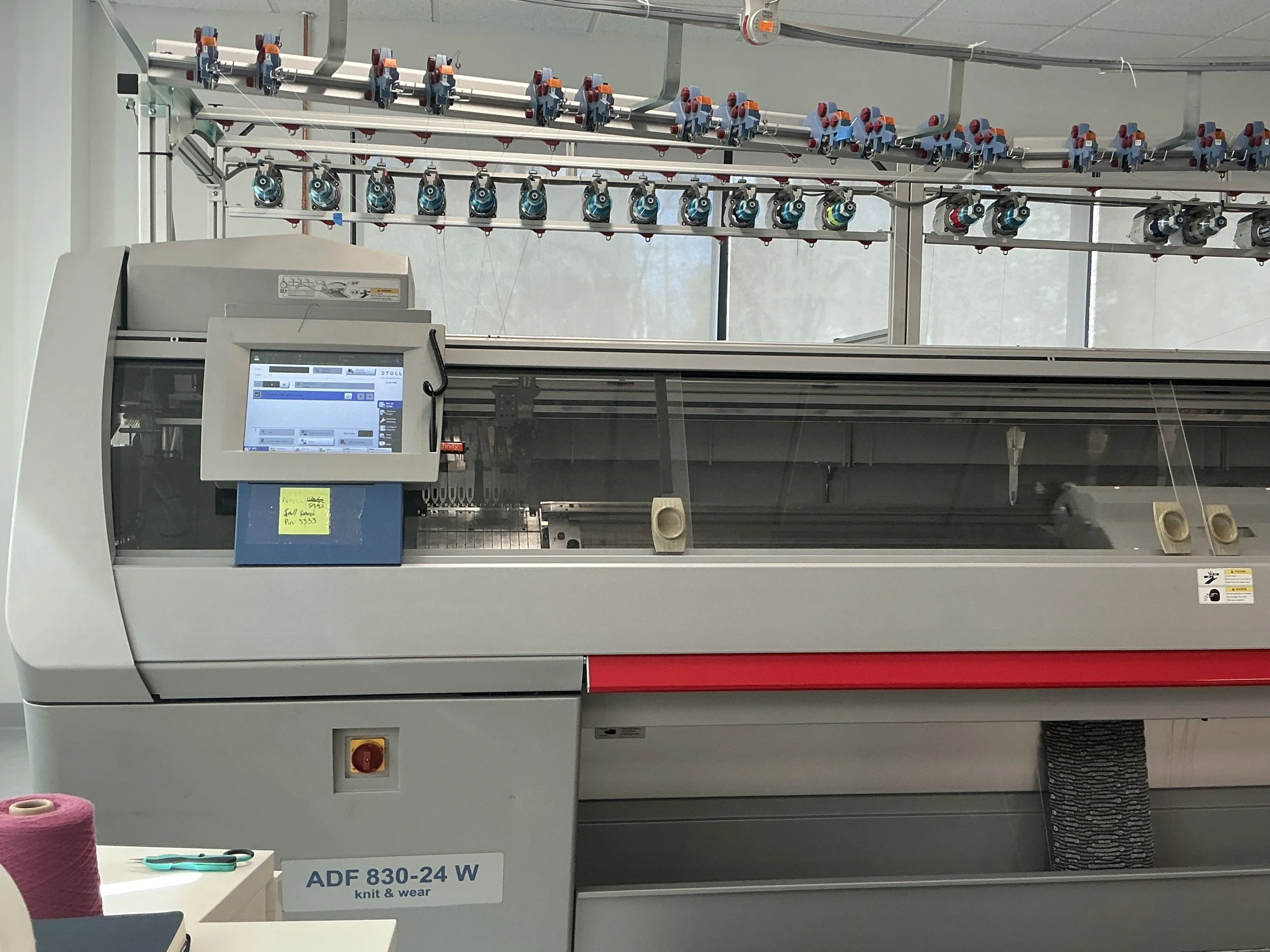
Siphonophorae textilis sp. — Deployable Bio-Hybrid Robots as
Living Water Remediation Agents
Harvard Design Engineering Studio Project — in collaboration with Avantika Velho, Manini Banerjee, and Renan Teuman.
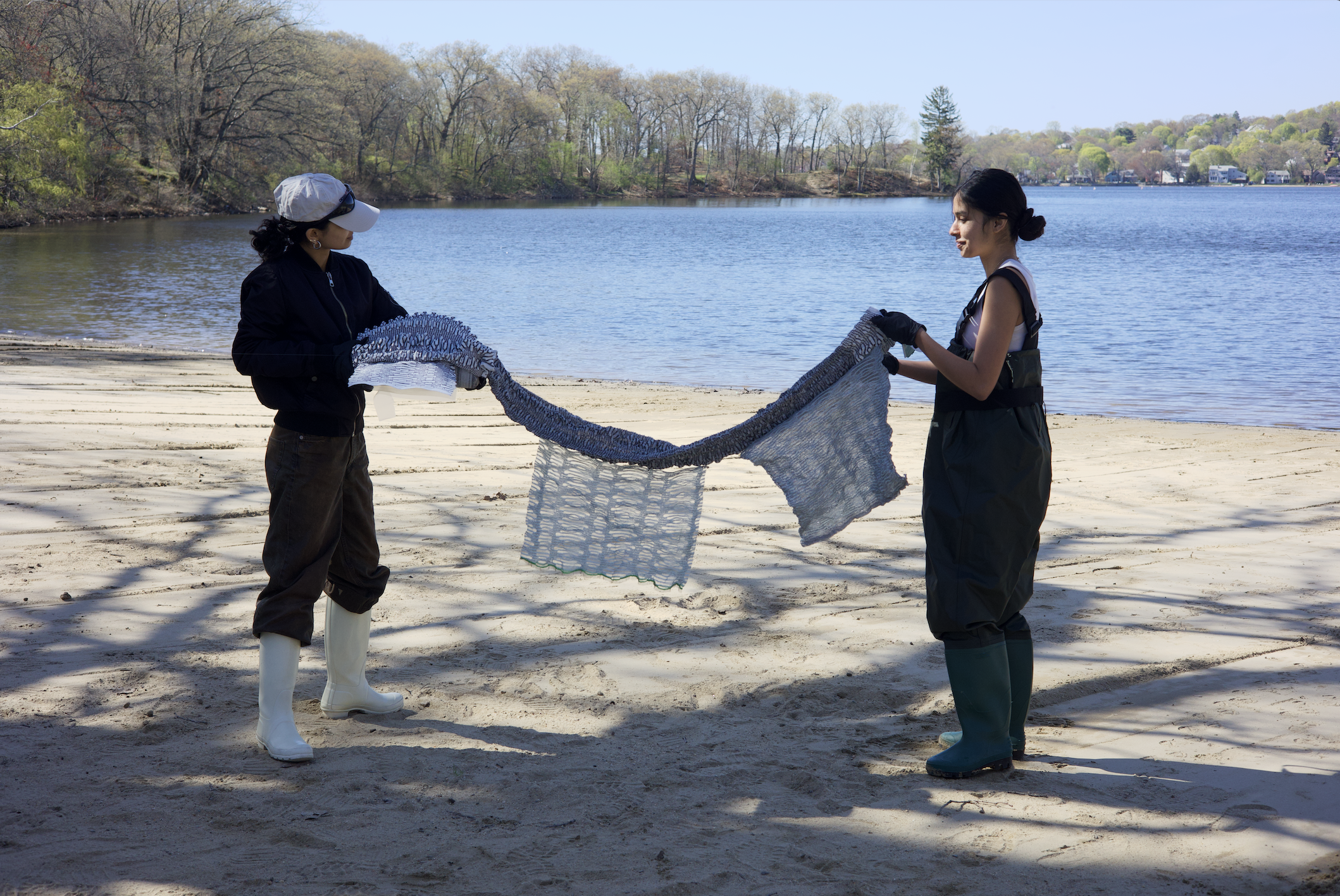
How might we reduce the environmental contamination caused by mine tailings ponds, particularly the movement of toxic metals and other pollutants into surrounding water and soil?
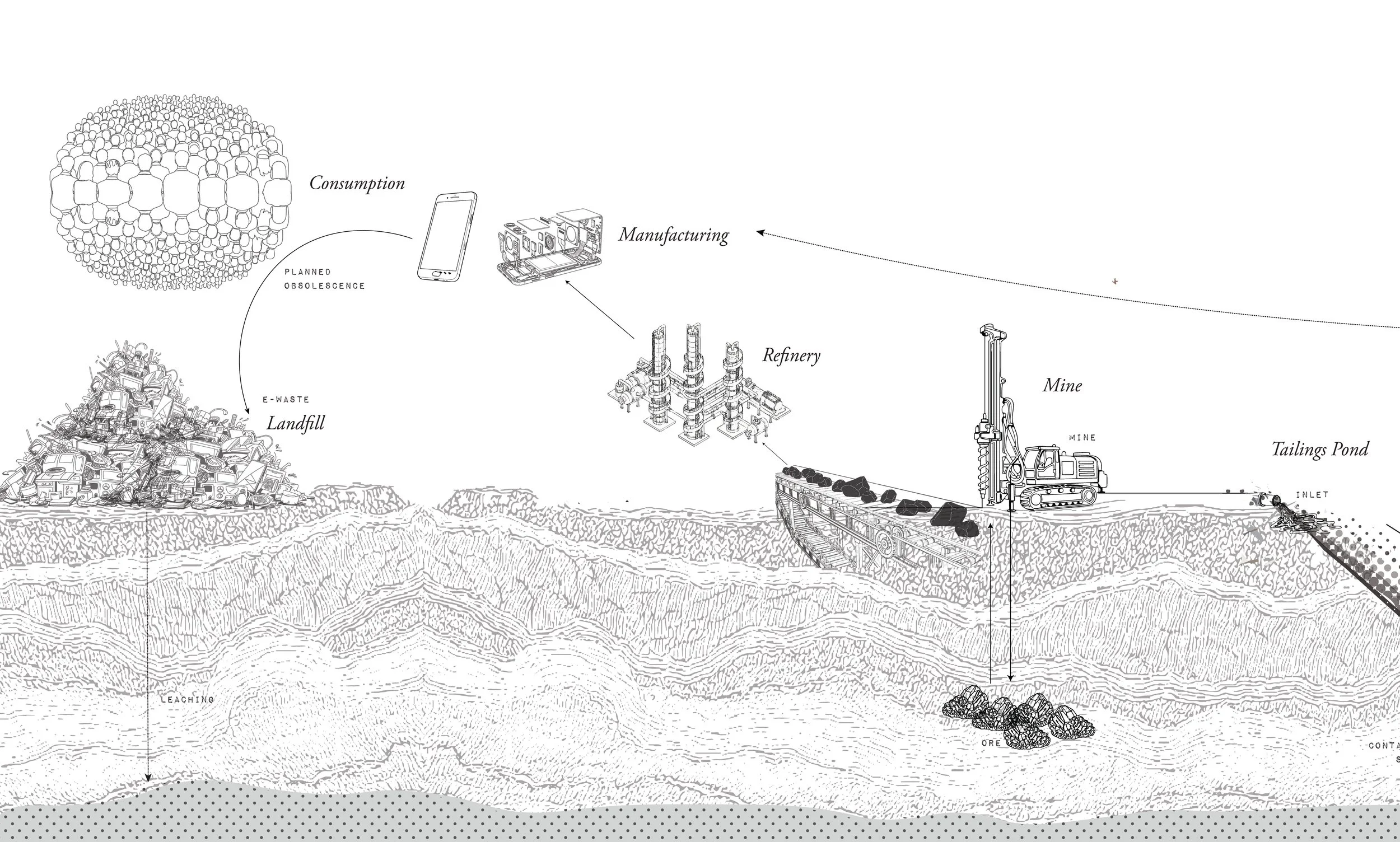
Anatomy of a Tailings Pond: Water released from the upper layer of tailings ponds can contain heavy metals at concentrations of roughly 10–100 ppm, levels that can pose serious risks to surrounding waterways and ecosystems.
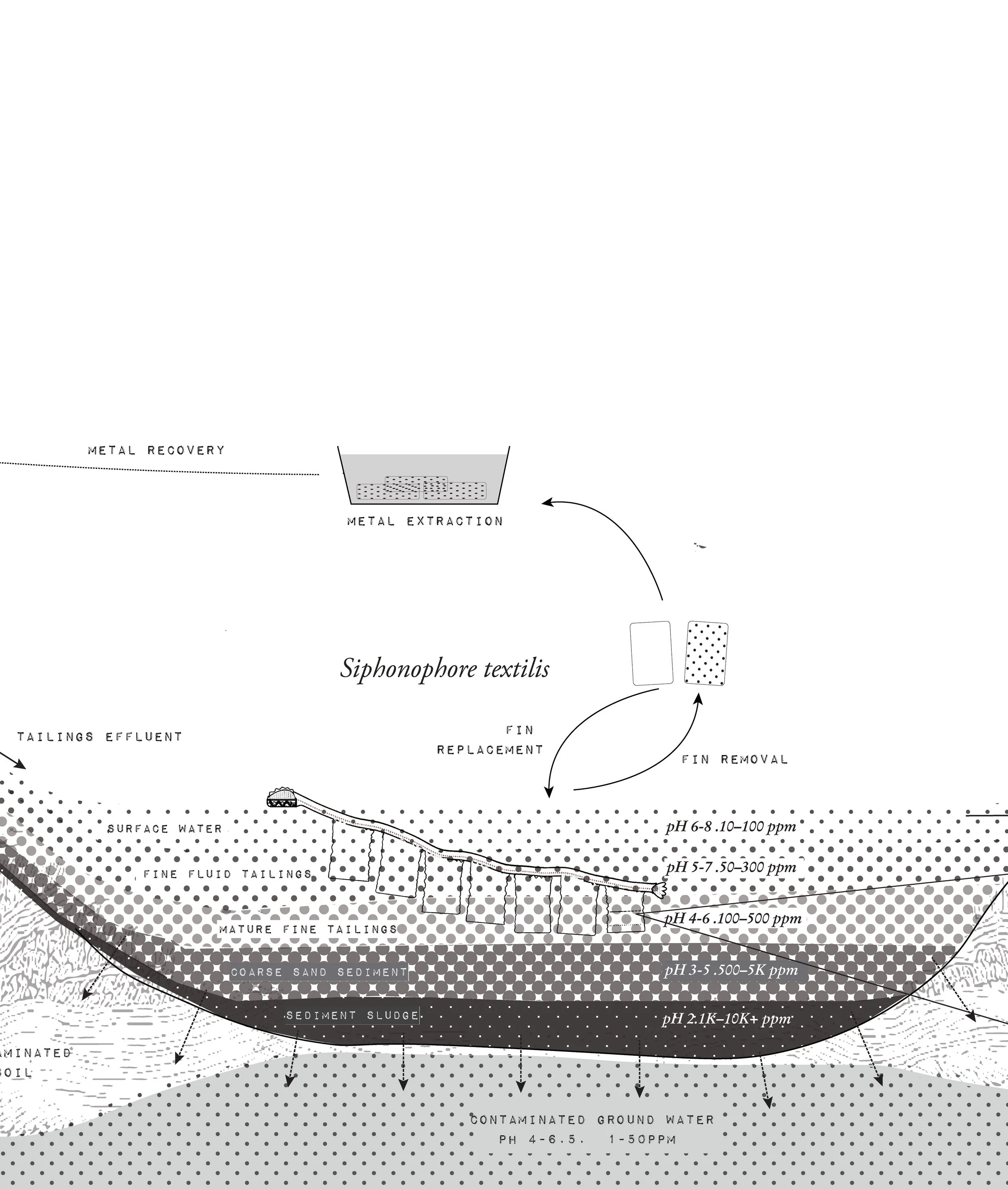
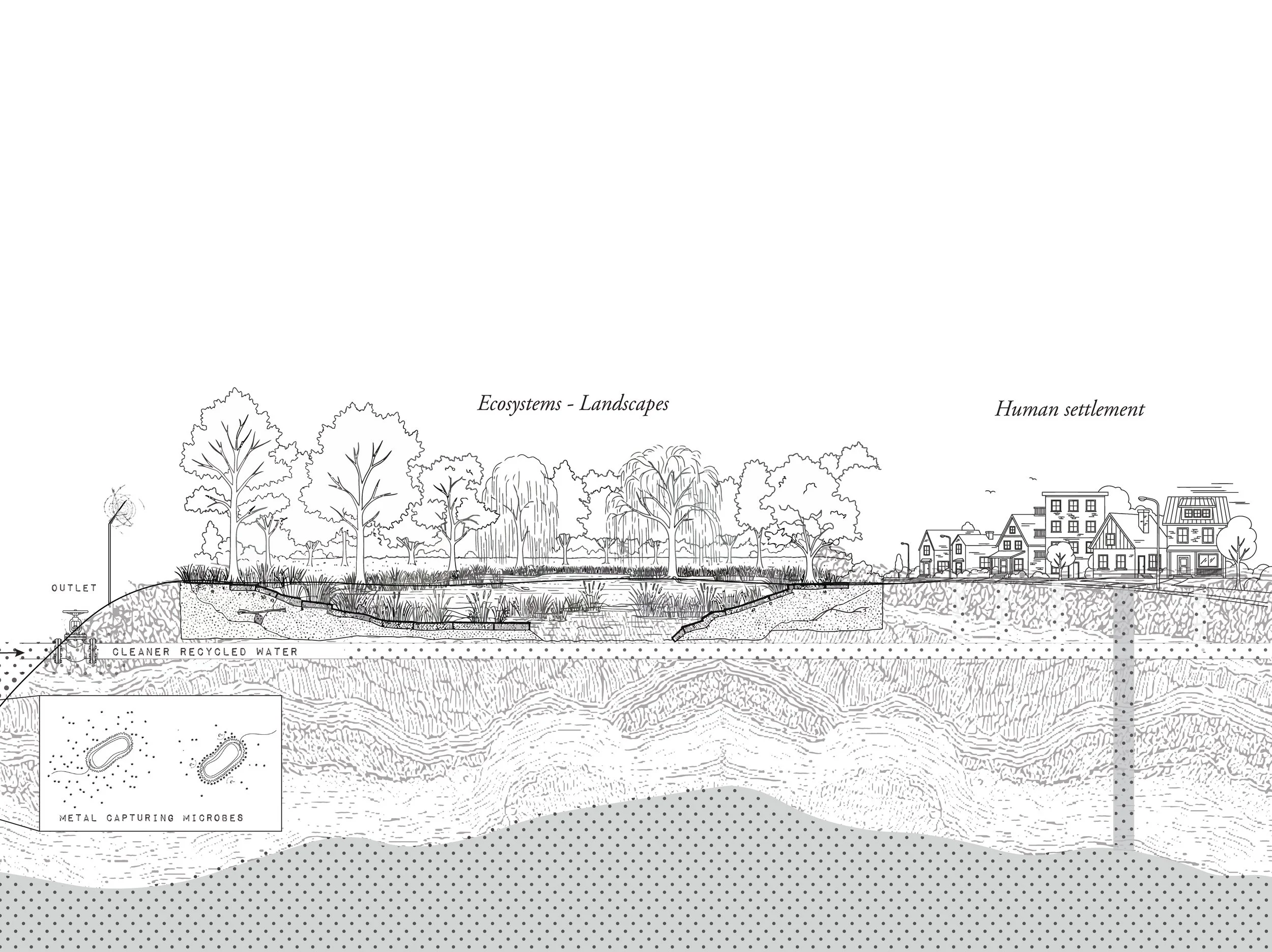
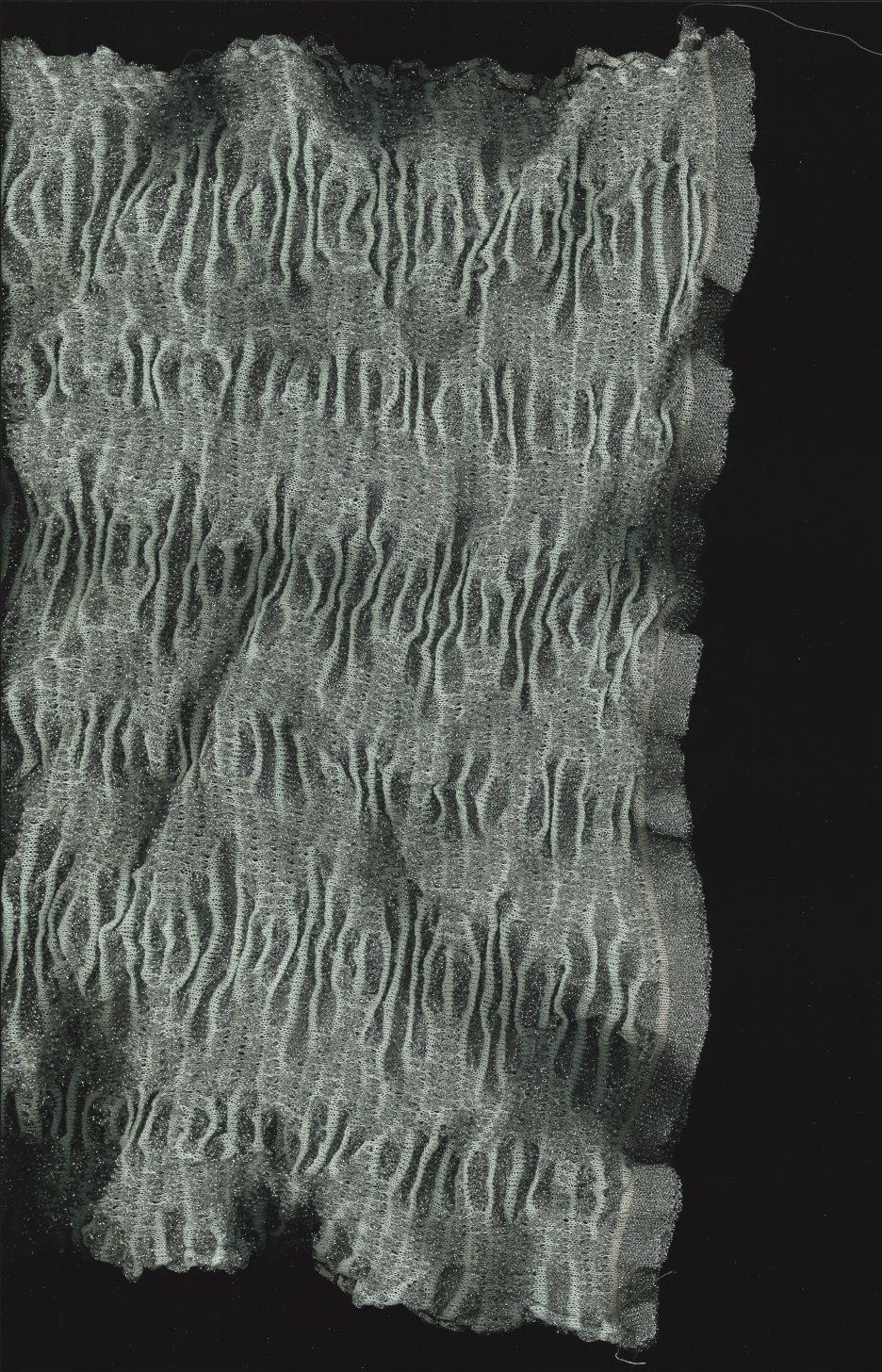
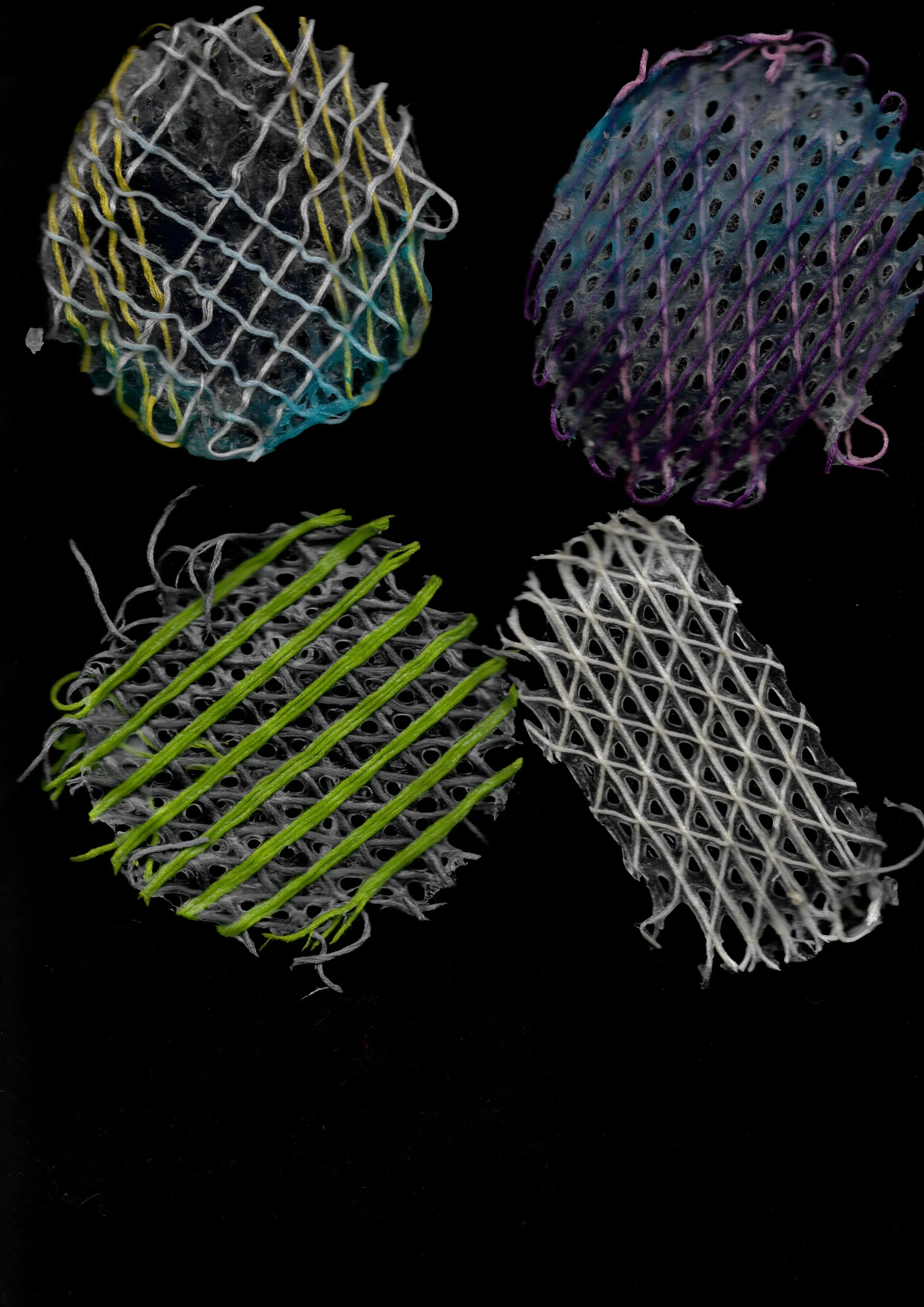
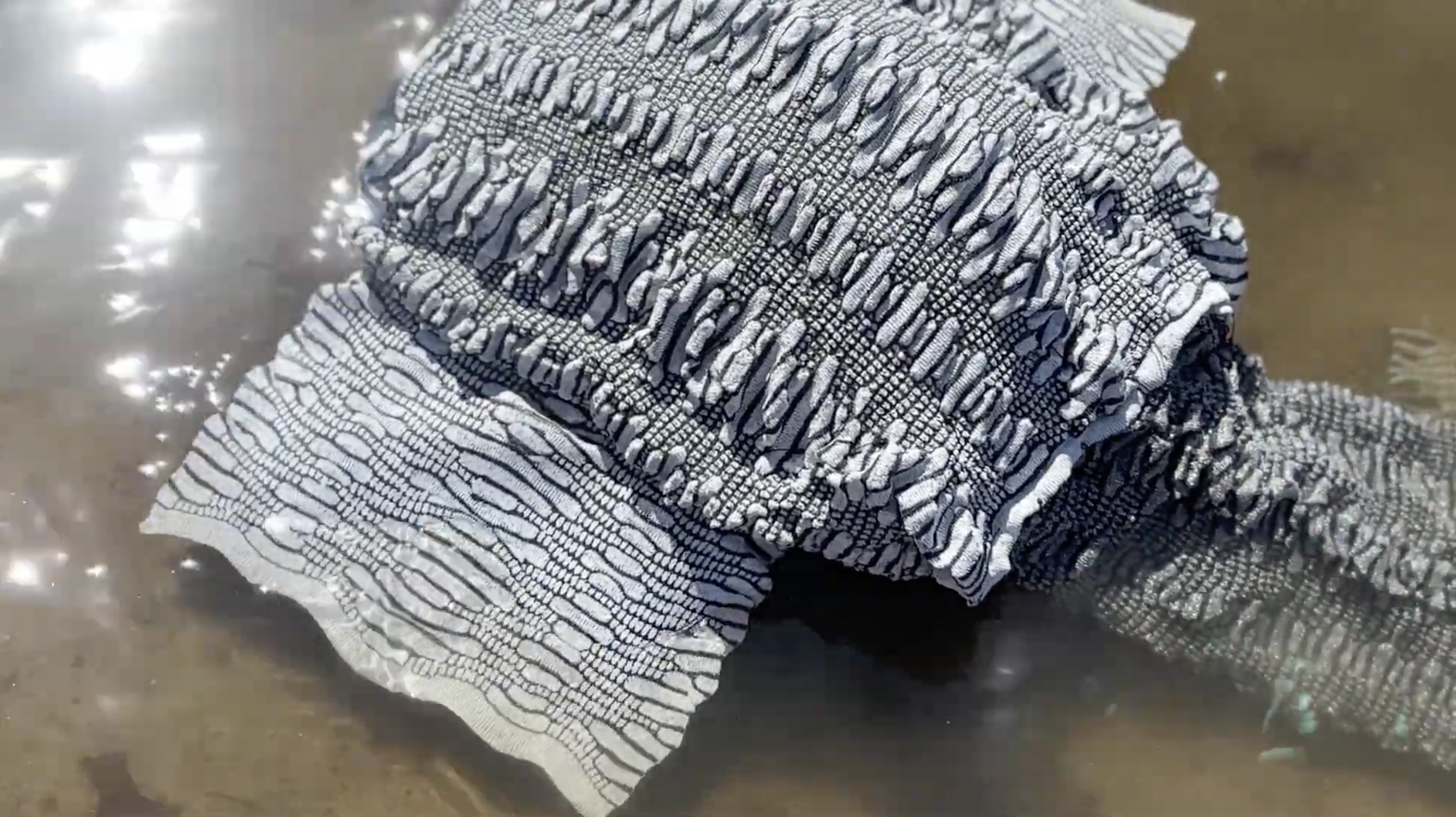
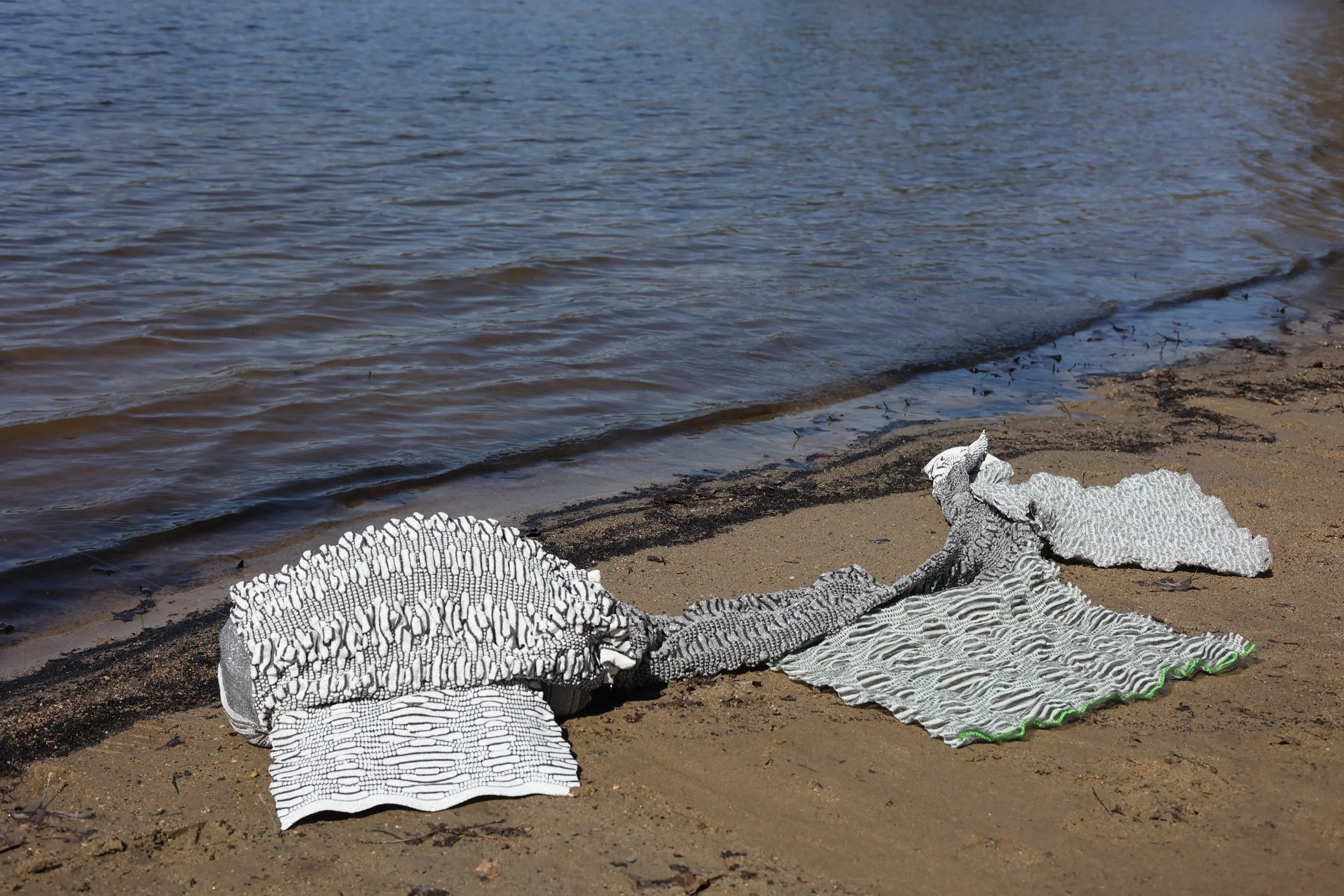
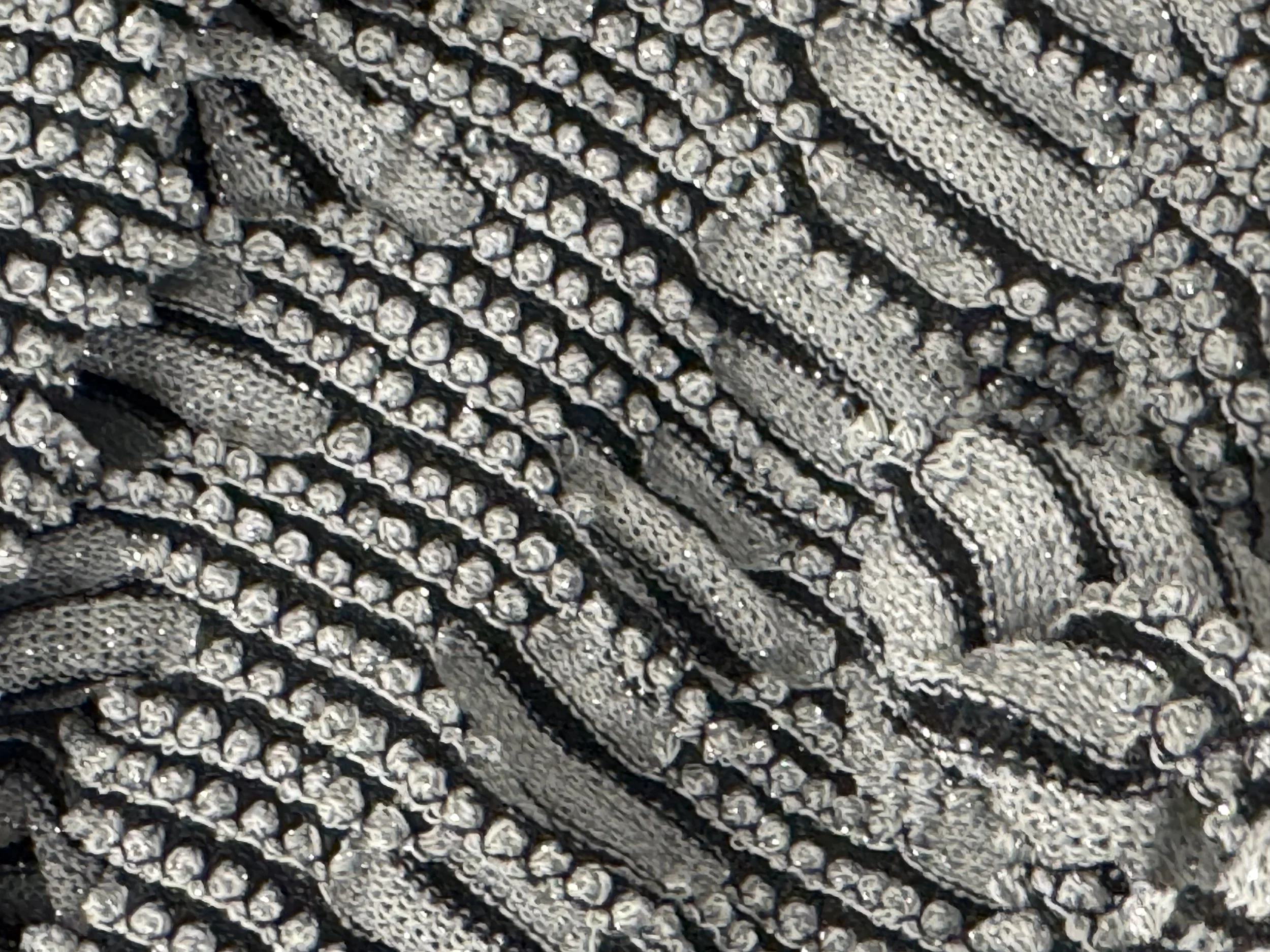
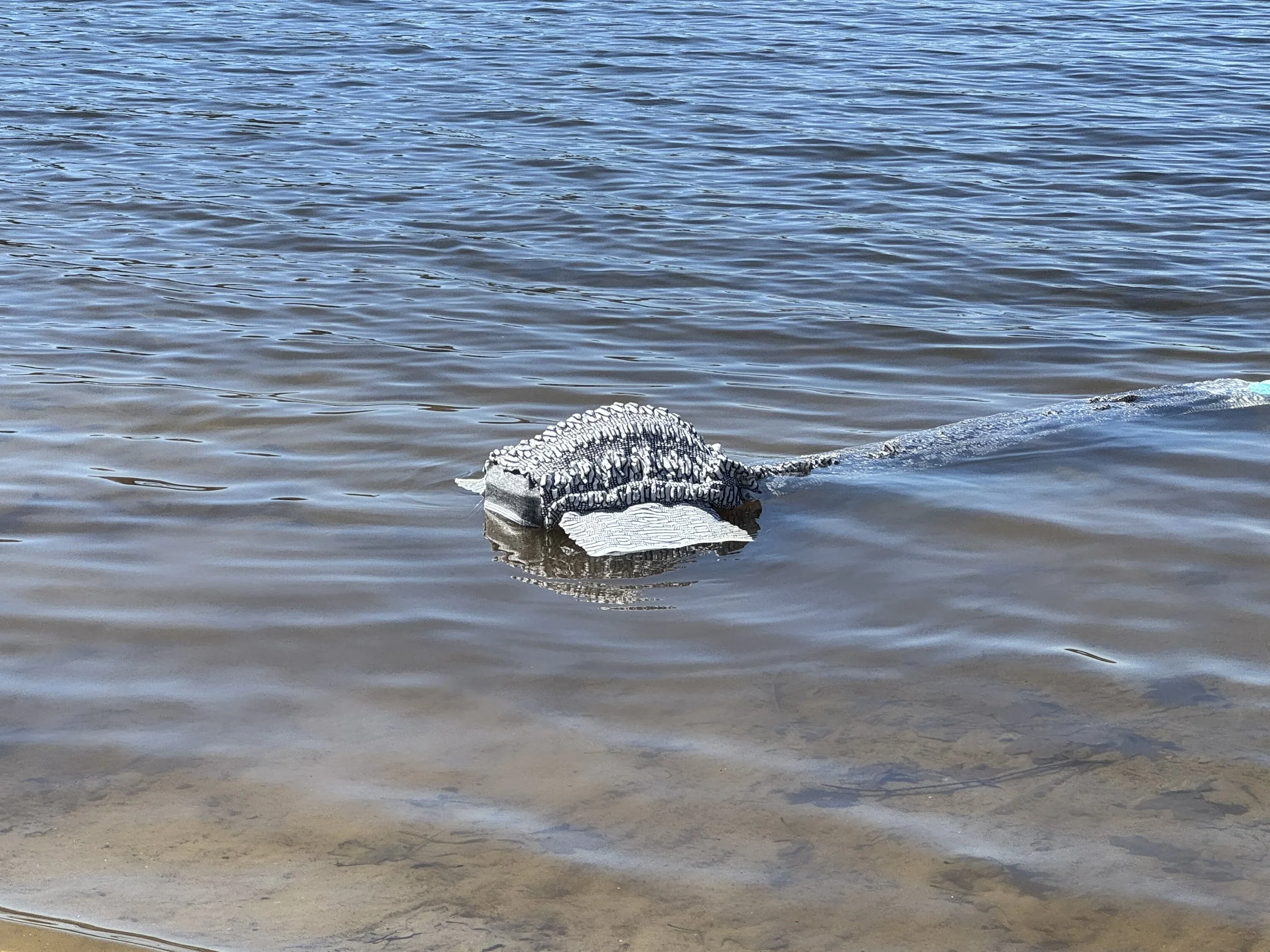
Our Hypothesis: By combining naturally occurring metal-binding microbes that live at the bottom of tailings Ponds with high-surface-area textile scaffolds, we can intercept pollutants while they are mobile.
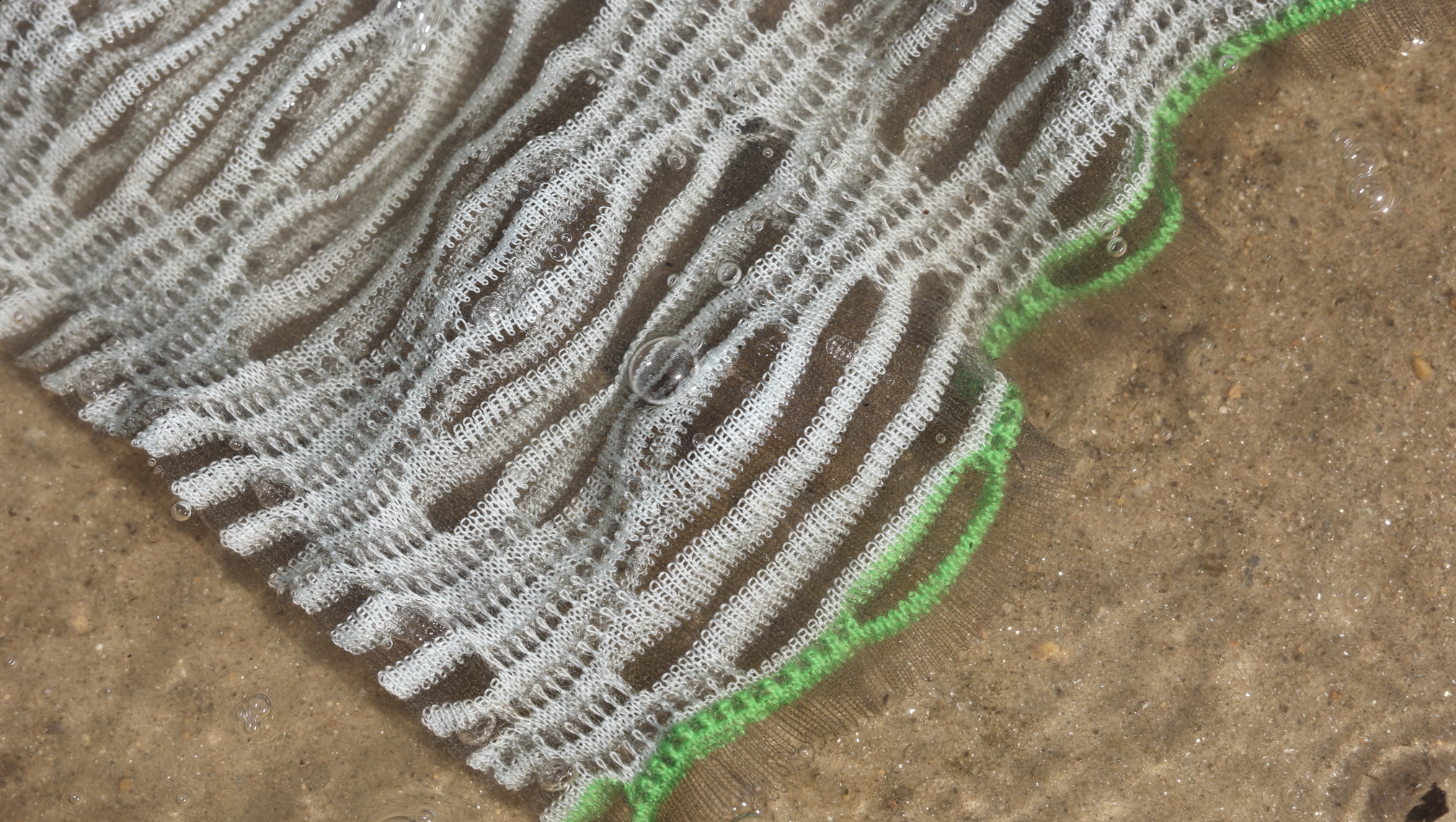
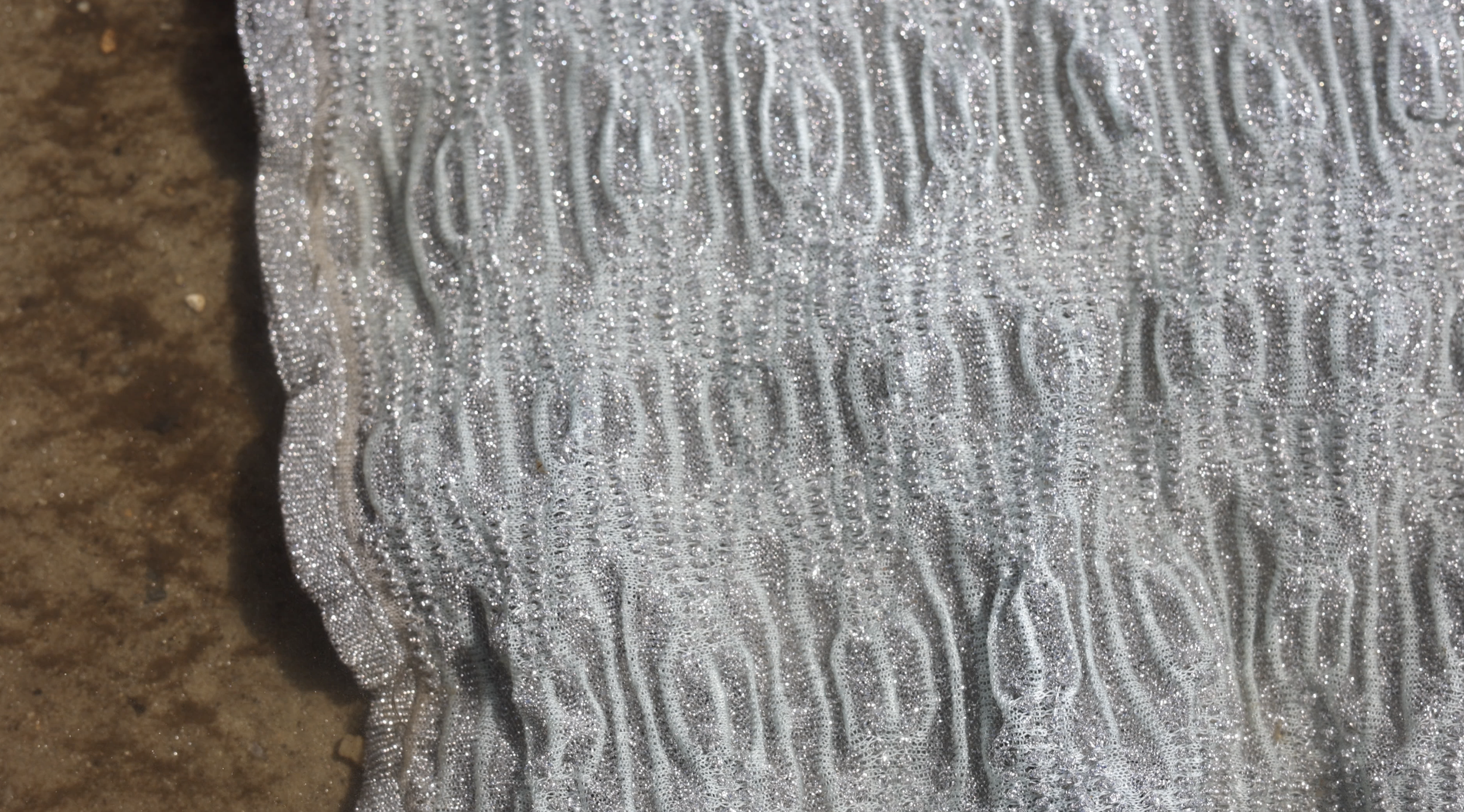
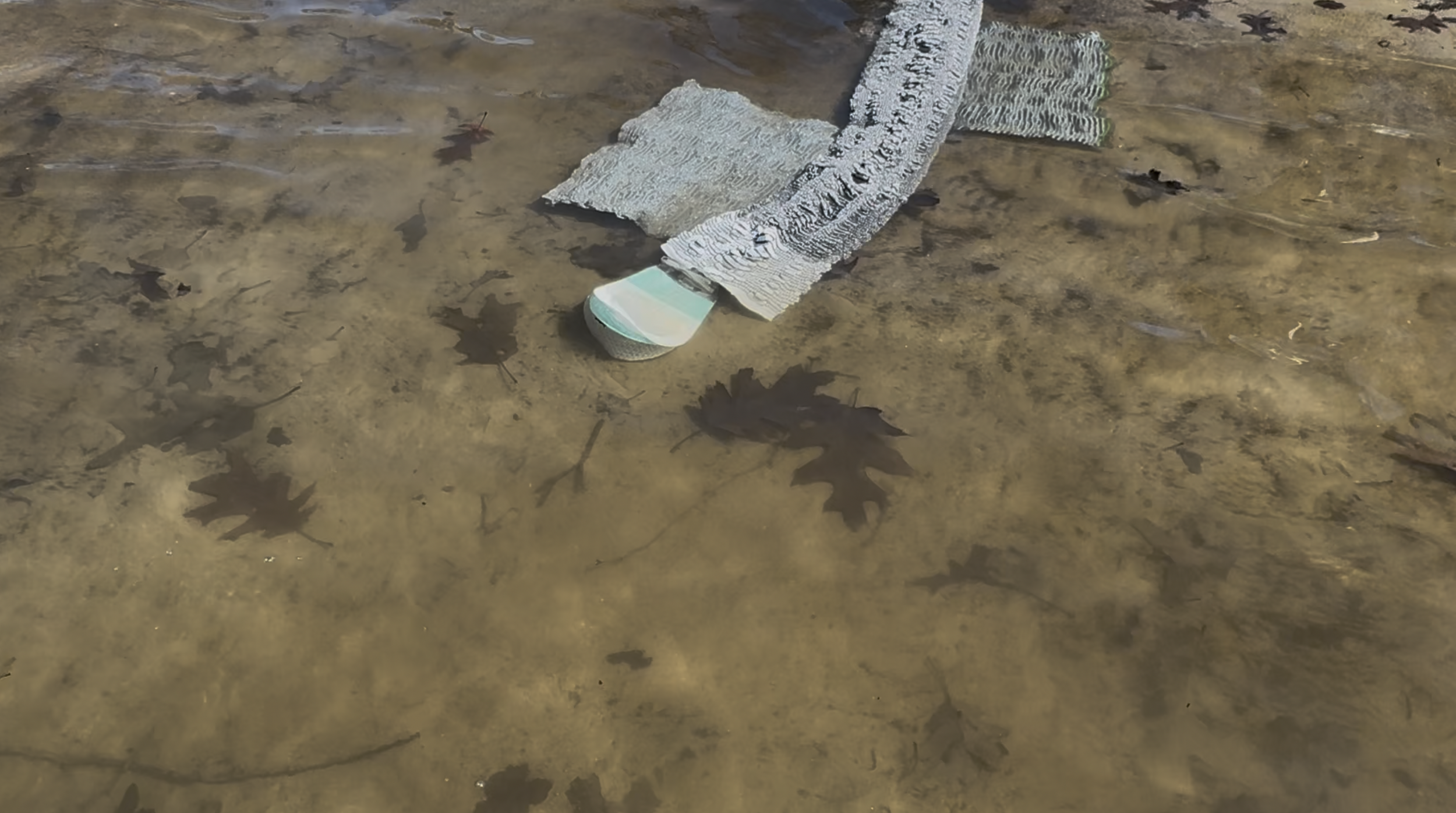
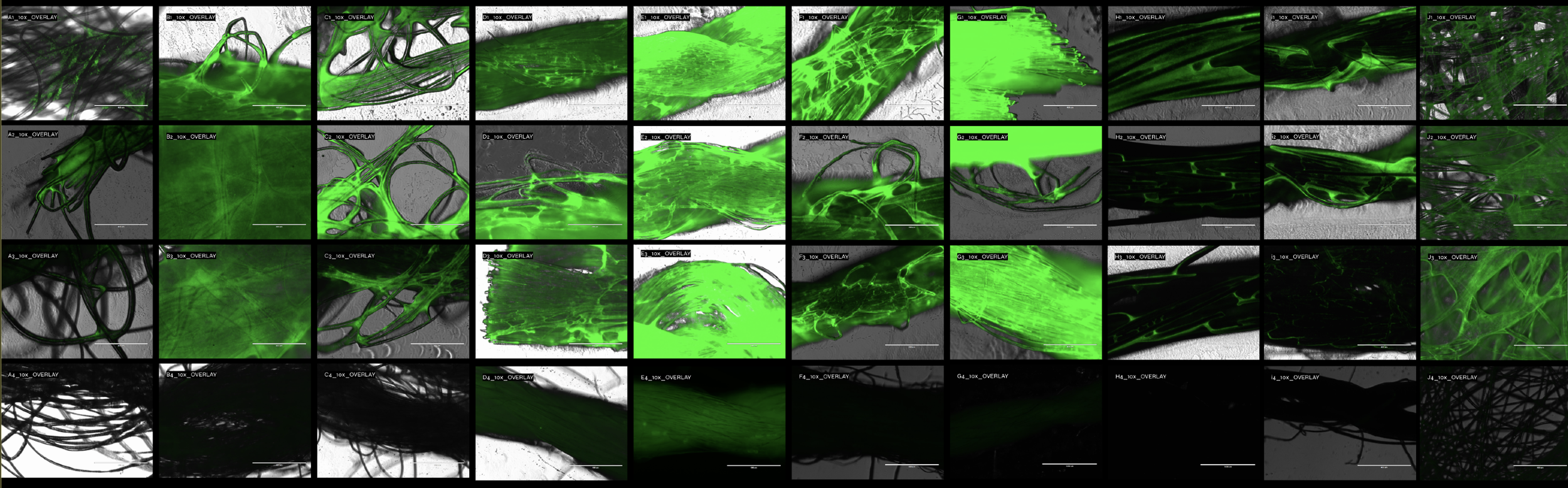
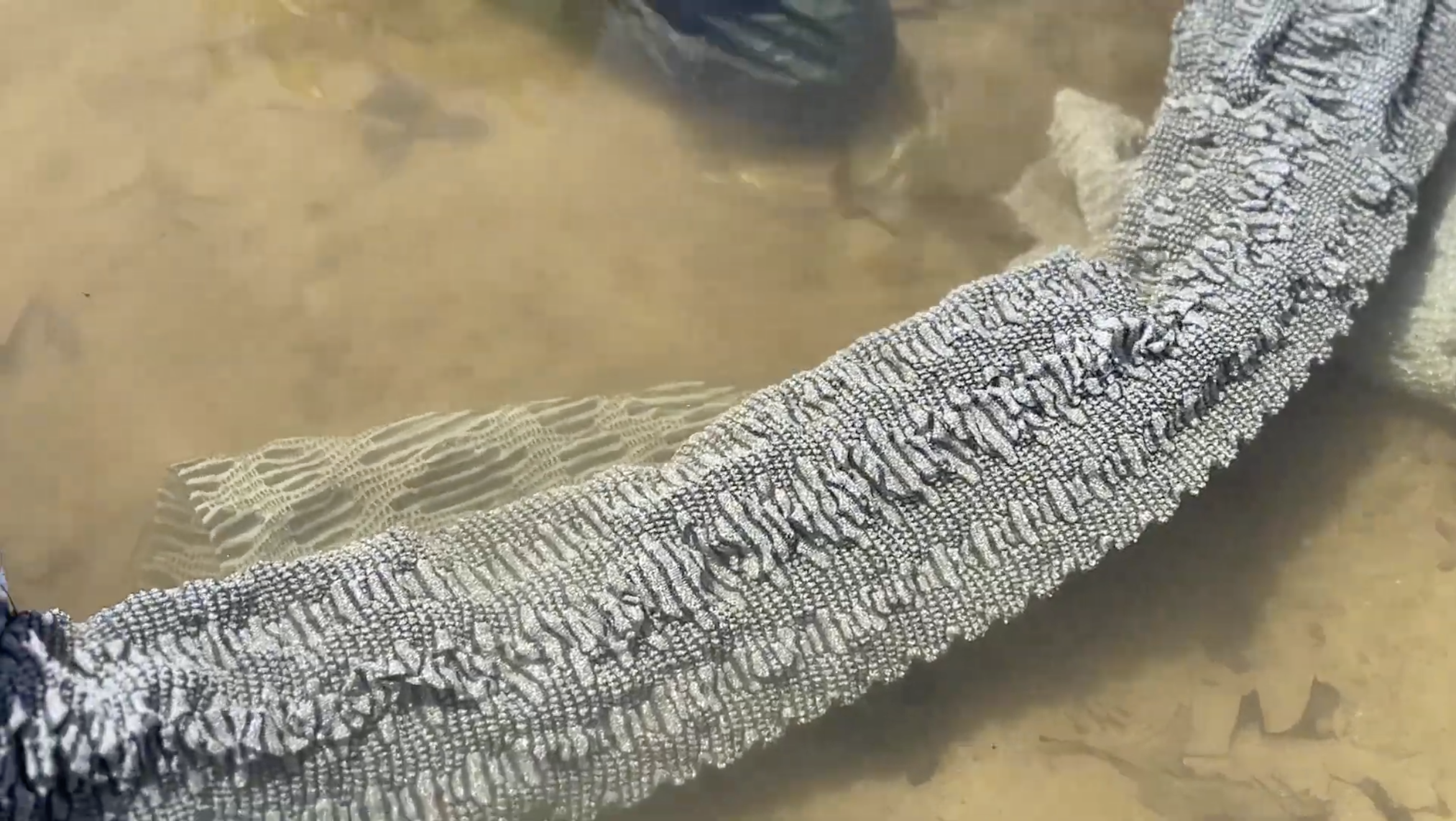
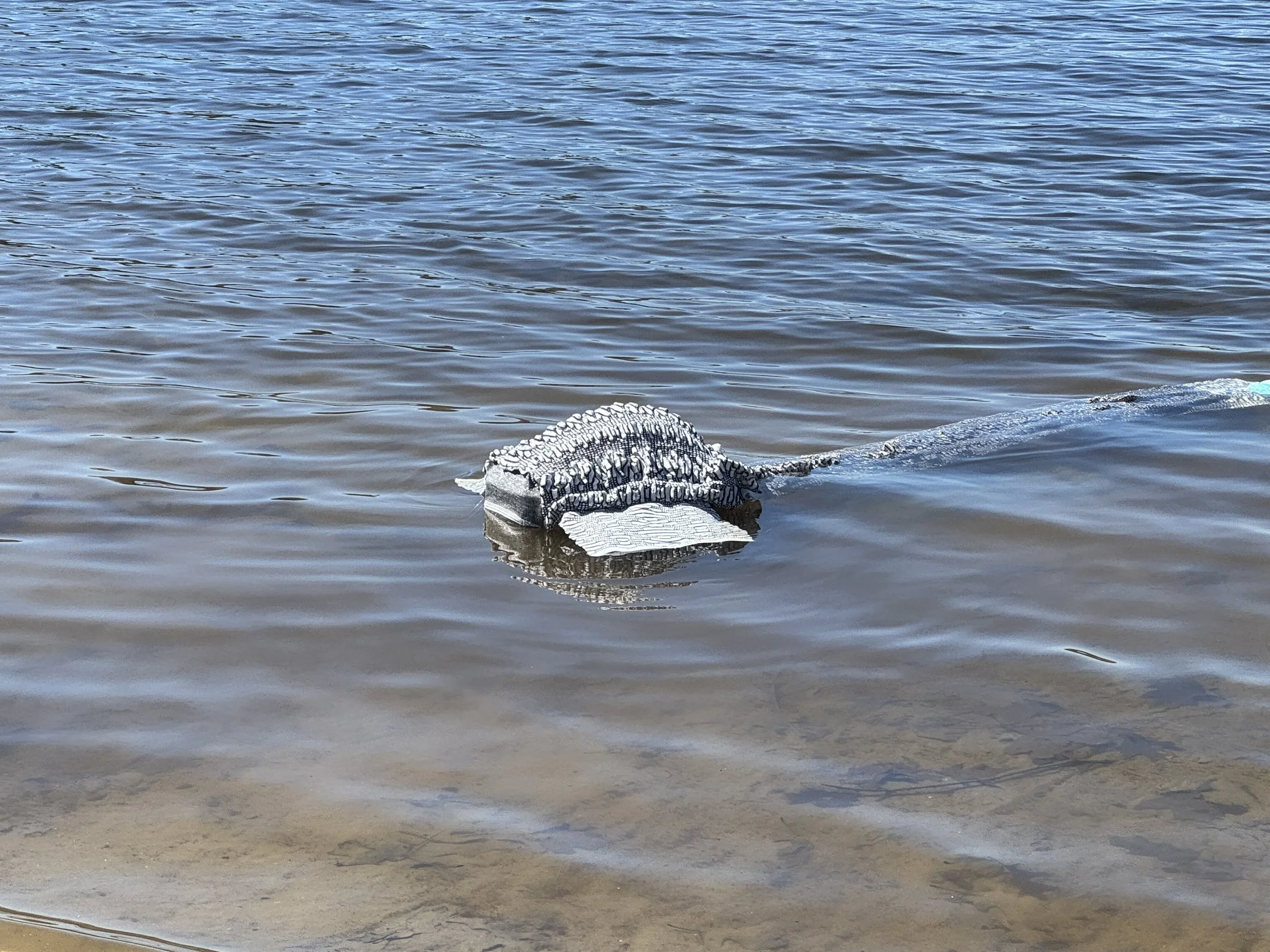
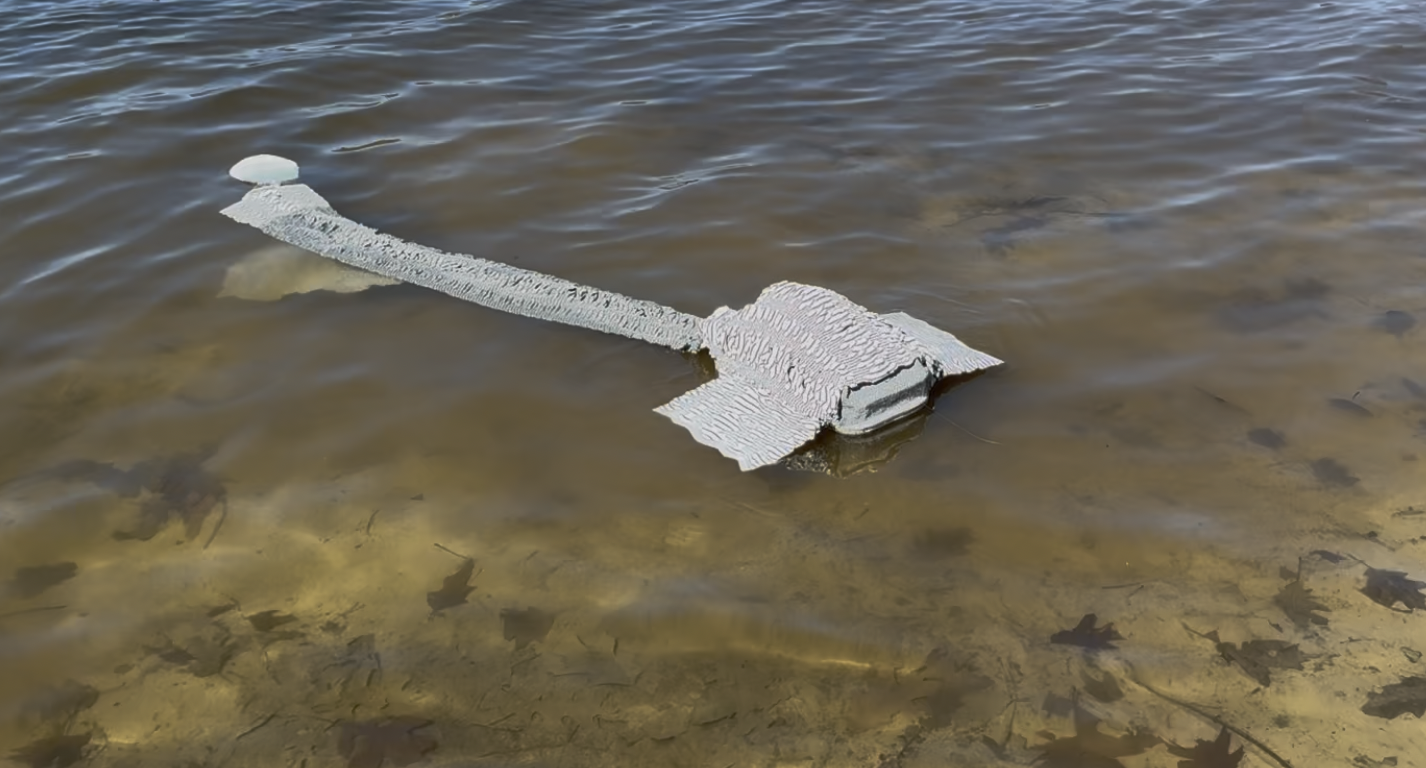
A deployable, slow-swimming, bio-hybrid, soft-robot operating at the top of the water column can capture heavy metals before they disperse from tailings ponds.